

Hotel Insurance Online :: News
SHARE

Share this news item!

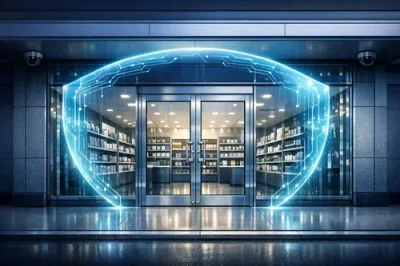
Retail Crime Pressures Are a Reminder to Check Your Shop Cover

Why theft, stock loss and business interruption deserve closer attention

Retail Crime Pressures Are a Reminder to Check Your Shop Cover?w=400

The information on this website is general in nature and does not take into account your objectives, financial situation, or needs. Consider seeking personal advice from a licensed adviser before acting on any information.

Fresh industry discussion around retail crime is a timely reminder that shop insurance is not only about large-scale disasters.
For many Australian retailers, the more immediate risks are break-ins, shoplifting, vandalism, smashed glass, damaged fixtures and the trading disruption that follows.
These incidents may be smaller than a flood or fire, but repeated losses can still put pressure on cash flow and margins.

For shop owners, the practical issue is whether current cover reflects the way the business actually operates today. A boutique with high-value stock, a convenience store trading late at night, a bottle shop, a mobile phone retailer and an online store with stock held in a warehouse can all have very different theft and security exposures. Insurers may look closely at location, opening hours, alarms, CCTV, locks, safes, cash handling procedures and previous claims history when assessing risk.

The key cover areas to review include burglary or theft, contents, stock, glass, money, electronic equipment and business interruption. It is also worth checking sub-limits, excesses and exclusions. Some policies may treat theft from unattended premises, stock in transit, employee dishonesty, or losses without forced entry differently. If stock values rise seasonally, a policy limit that looked adequate in a quiet month may fall short during peak trading.

This is where good record-keeping becomes more than an administrative task. Up-to-date stock records, purchase invoices, photos of fit-out and equipment, alarm maintenance logs and incident reports can all help support a claim. Retailers should also estimate current stock and fit-out values rather than relying on old renewal figures or accounting book values.

Risk prevention can also influence the quality of an insurance application. Practical steps may include:

  • reviewing locks, shutters, lighting and monitored alarm systems;
  • limiting cash kept on premises after hours;
  • training staff on safe procedures for suspicious behaviour;
  • keeping high-value items in secured displays or restricted areas;
  • checking whether delivery and transit arrangements are insured.

Retail crime is not a reason to panic, but it is a reason to be precise. If your premises, stock profile or trading hours have changed, your insurance should be reviewed before the next incident, not after it. Retailers who are unsure how theft-related sections interact with property, glass and interruption cover may benefit from professional assistance when comparing policy wording and limits.

Published:Tuesday, 4th Aug 2026
Author: Paige Estritori

Please Note: We do not endorse any specific products or companies. Some content is sourced from third parties, including press releases, and may not be independently verified for accuracy or completeness.

Share this news item:

Rate this article

0 Comments

No comments yet. Be the first to share your thoughts.

Insurance News

Why roadworthiness checks are an insurance issue for truck operators
20 Aug 2026: Paige Estritori
Recent transport industry coverage has again highlighted regulator attention on heavy vehicle roadworthiness, with roadside checks, defect management and maintenance systems remaining central safety themes for Australian operators. For trucking businesses, the message is not limited to avoiding fines or delays. Roadworthiness can also influence how insurers view risk, how smoothly a claim progresses and whether policy conditions have been met after an incident. - read more
Silica Safety Scrutiny Raises Fresh Cover Questions for Tradies
20 Aug 2026: Paige Estritori
Australia’s engineered stone ban and continuing regulator focus on silica exposure are more than a workplace safety issue for builders, renovators, tilers, stonemasons, plumbers, electricians and demolition contractors. They also create a practical insurance checkpoint for any trade business that cuts, drills, grinds, removes or works around dust-generating materials. - read more
Rising Repair Costs Put Fresh Pressure on Truck Operators
20 Aug 2026: Paige Estritori
Fresh motor insurance commentary across the Australian market is again pointing to a practical issue truck operators know well: repairing vehicles is becoming more complex, more expensive and, in some cases, slower. For heavy vehicle businesses, this is not just a workshop problem. It can influence claim outcomes, renewal pricing, excess settings and the amount of time a truck is off the road after an incident. - read more
Why Claims Disputes Should Prompt a Farm Insurance Review
19 Aug 2026: Paige Estritori
Recent complaints data from the Australian Financial Complaints Authority has again highlighted a pressure point that matters to rural Australia: insurance claims can become difficult when expectations, policy wording and evidence do not line up. While the figures cover the wider insurance market rather than farms alone, the themes are highly relevant for agricultural businesses dealing with storm damage, fire losses, machinery failures, fencing repairs or interrupted operations. - read more
Compensation Rules Put Professional Indemnity Cover Back in Focus
19 Aug 2026: Paige Estritori
Fresh industry attention on ASIC's expectations for compensation arrangements is a timely reminder that professional indemnity insurance should not be treated as a once-a-year renewal task. For Australian professionals who provide advice, compliance support, financial services, consulting, design, technology or outsourced business services, the adequacy of cover depends on how closely the policy matches the work actually being performed. - read more


Hotel Insurance Articles

A Cybersecurity Guide for Hotel Operators
With an ever-expanding digital landscape, the importance of robust cybersecurity measures in the hospitality industry cannot be overstated. As technology continues to evolve, so too do the threats that target the vulnerabilities within hotel systems. This has made cybersecurity a top priority for hotel operators. - read more
Custom Insurance Solutions: Protecting Your Hotel from Unique Risks
The hospitality industry in Australia is a dynamic and ever-evolving sector, characterised by a diverse range of services and offerings. Hotels operate in a vibrant environment, catering to both local and international guests while constantly adapting to seasonal changes, economic shifts, and emerging trends. This dynamic nature introduces a variety of unique risks that need to be managed effectively. - read more
Claims Made Simple: What to Expect When Filing Hotel Insurance Claims
Running a hotel is a complex operation that involves many moving parts. From welcoming guests to maintaining the property, there's a lot to manage. One critical aspect that often flies under the radar is hotel insurance. This form of insurance plays a crucial role in safeguarding your business from unforeseen events that could disrupt operations or impact your financial health. Whether it's damage from natural disasters or unexpected liabilities, insurance is your safety net. - read more
Disability Income Protection: What Every Hotel Operator Needs to Know
Running a café is a rewarding yet challenging endeavor. With the hospitality industry being fast-paced and ever-changing, café owners often face unique financial challenges. Operating in an industry that is both physically demanding and unpredictable can sometimes lead to unforeseen circumstances that affect the stability and success of your business. - read more
The Role of Training in Minimising Liability for Hotel Operators
Operating a hotel is not just about offering great services and hospitality. It also involves understanding and managing various types of liability risks. Liability in the hospitality industry can arise from numerous situations, and being unaware of these can potentially expose hotel operators to significant legal issues and financial losses. - read more

Knowledgebase
Proximate Cause:
The primary cause of loss in an insurance claim, which sets in motion a chain of events leading to the damage or injury.