
Hotel Insurance Online :: News
SHARE

Share this news item!

Harvest Fires Put Mallee Crop Losses in Sharp Relief

Fire-damaged crops raise questions about sums insured, evidence and continuity planning

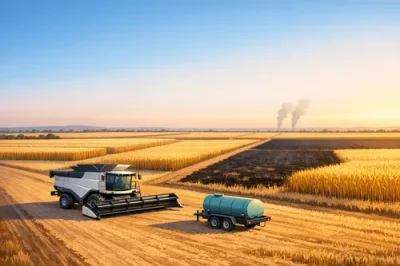
Harvest Fires Put Mallee Crop Losses in Sharp Relief?w=400

The information on this website is general in nature and does not take into account your objectives, financial situation, or needs. Consider seeking personal advice from a licensed adviser before acting on any information.

Seven fires across Victoria’s north-west Mallee on Tuesday 10 November have turned harvest-season fire risk into an immediate business issue for grain growers.
ABC Rural reported on 11 November 2026 that the Country Fire Authority estimated about 300 hectares of crops were destroyed, including lentils near Walpeup and barley near Nandaly, with dry lightning and harvest activity among the triggers.

The timing matters. Crops close to harvest can represent months of input costs, seasonal risk and expected income sitting exposed in the paddock. A fire at that stage is not only a production loss; it can affect cash flow, grain contracts, machinery movements, labour plans and next season’s preparation. It also highlights how quickly a local incident can become a regional problem when multiple fires stretch emergency resources.

For insurance purposes, the key lesson is not simply that fire is a covered peril under many rural policies. The practical question is whether the relevant crop insurance section, declared crop values, acreage records, excesses, notification requirements and exclusions match the way the farm is actually operating at harvest. Farmers may also need to consider the boundary between standing crops, harvested grain, machinery, fencing, stored inputs and other property, because different policy sections can respond differently.

  • Keep paddock maps, crop type records and expected yield estimates up to date.
  • Record photos or drone footage before and after damage where it is safe to do so.
  • Document firefighting costs, contractor delays and clean-up work separately.
  • Check whether machinery, fencing, hay, fuel and stored grain sit under separate limits.

The CFA’s separate fire danger period updates this week also point to a wider seasonal issue: strong spring growth can create heavy fuel loads that dry quickly as warmer weather arrives. That makes natural disaster preparation more than a pre-summer checklist. Firebreaks, header maintenance, local communications, water access and neighbour response plans can all influence whether a small ignition remains manageable or spreads into a larger loss.

No policy can remove the frustration of losing a strong crop days before harvest, and insurance outcomes will depend on individual wording and evidence. However, these Mallee fires are a timely reminder that renewal conversations should include harvest-stage exposures, not just buildings and machinery. For mixed and broadacre farms, the most useful review is often the one that traces how value moves across the season: from growing crop, to harvested grain, to stored produce and then to sale.

Published:Thursday, 12th Nov 2026
Author: Paige Estritori

Please Note: We do not endorse any specific products or companies. Some content is sourced from third parties, including press releases, and may not be independently verified for accuracy or completeness.

Share this news item:

Rate this article

0 Comments

No comments yet. Be the first to share your thoughts.

Insurance News

Underpaid Claims Highlight the Detail Behind Income Protection Benefits
18 Nov 2026: Paige Estritori
A newly published Life Code Compliance Committee sanction has highlighted a practical but often overlooked issue for Australians relying on personal insurance: having a claim accepted is not the same as receiving every benefit correctly calculated and paid. The de-identified case, published on 16 November 2026, concerned an unnamed life insurer that underpaid about $1.6 million, including interest, across 66 income protection and death benefit claims. - read more
Live Music Inquiry Highlights Public Liability Pressure for Venues
18 Nov 2026: Paige Estritori
A NSW parliamentary inquiry into the state of live music has put public liability insurance back in the spotlight for venues, festivals and event operators, after its final report identified insurance affordability as a significant operating pressure and recommended further work on reform options. - read more
Live Music Insurance Reform Call Has Wider Lessons for Public-Facing Businesses
18 Nov 2026: Paige Estritori
A NSW parliamentary inquiry into the state of live music has put insurance affordability back in the spotlight, with its final report tabled on 9 November 2026 identifying public liability insurance as a major cost burden for venues and festivals. The recommendation does not change premiums immediately, but it gives business owners a useful signal: governments, insurers and industry groups are still grappling with how public-facing risks are priced, documented and managed. - read more
Storm Claims Put Policy Details Under Fresh Pressure
18 Nov 2026: Paige Estritori
The Insurance Council of Australia’s expanded Significant Event declaration for severe storms in Queensland and New South Wales is a timely reminder that insurance is tested in the messy aftermath of damage, power loss and disruption, not just at renewal time. By 17 November 2026, insurers had received more than 7,500 claims linked to severe weather from 11 to 17 November, with damage ranging from torn roofs and broken fences to water entry, hail impacts and spoiled food after outages. - read more
Bakery Dispute Shows Supplier Risk Can Interrupt Trade
18 Nov 2026: Paige Estritori
A recent business interruption dispute involving a bakery has given restaurant and cafe operators a timely reminder that disruption does not always start inside the insured premises. The Australian Financial Complaints Authority found in favour of a bakery retail business after its insurer declined a claim linked to a fire at the premises of its sole supplier, bringing supplier-dependency wording into sharp focus for hospitality businesses that rely on specialist producers, central kitchens, roasters, wholesalers or delivery partners. - read more


Hotel Insurance Articles

What Does Hotel Insurance Cover in Australia?
Hotel insurance in Australia can combine several types of cover, including property, liability, stock, business interruption, vehicles and other risk protections. This guide explains what each cover type generally protects and what hotel operators should check before choosing a policy. - read more
Hotel Insurance Requirements in Australia: Legal and Contractual Considerations
Australian hotel operators may face insurance-related obligations from legislation, leases, lenders, liquor licensing, contracts and risk management needs. This guide explains the difference between compulsory, commonly required and optional covers. - read more
Custom Insurance Solutions: Protecting Your Hotel from Unique Risks
The hospitality industry in Australia is a dynamic and ever-evolving sector, characterised by a diverse range of services and offerings. Hotels operate in a vibrant environment, catering to both local and international guests while constantly adapting to seasonal changes, economic shifts, and emerging trends. This dynamic nature introduces a variety of unique risks that need to be managed effectively. - read more
Hotel Contents and Stock Insurance: Key Concepts for Operators
Hotel contents and stock insurance can help protect the physical assets a hotel relies on each day, from furniture and equipment to food, alcohol and other stock. This guide explains what operators should consider when setting cover limits, documenting assets and reviewing exclusions. - read more
The Importance of Risk Assessment in Tailoring Your Hotel’s Insurance Coverage
Risk assessment is a fundamental process in evaluating potential exposure to financial losses and liabilities in the hospitality industry. It involves identifying, analyzing, and evaluating risks that could impact hotel operations. By understanding these risks, hotel operators can tailor their insurance policies to provide comprehensive coverage and mitigate potential payouts. - read more

Knowledgebase
Term Life Insurance:
A life insurance that provides a cover for a specific period of time - usually one to five years or until the insured reaches age 65 or 70.